Ultimate Guide to Ecommerce Audience Segmentation
Types, strategy, tools, and metrics to segment ecommerce customers for better personalization, higher conversions, and improved ROAS.

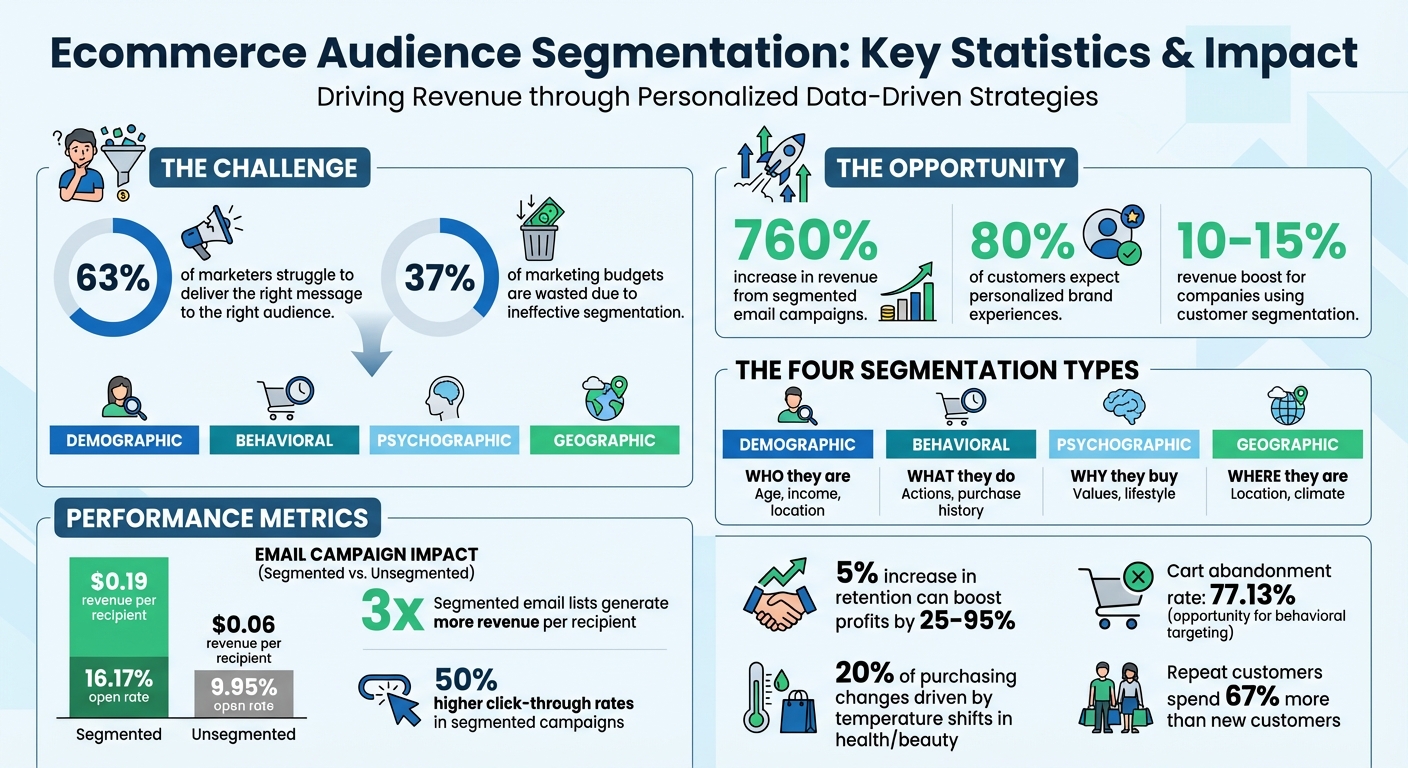
Audience segmentation in ecommerce is the process of dividing customers into smaller groups based on shared characteristics like behavior, demographics, or location. Why does this matter? Because personalized marketing works. Segmented email campaigns can increase revenue by up to 760%, and 80% of customers expect brands to tailor their experiences. Yet, 63% of marketers struggle to deliver the right message to the right audience.
Here’s what you’ll learn in this guide:
- Types of segmentation: Demographic (age, income), behavioral (actions, purchase history), psychographic (values, lifestyle), and geographic (location, climate).
- How to segment effectively: Set clear goals, collect meaningful data (like first-party insights), and test your strategies.
- Tools to simplify segmentation: Use platforms with features like real-time updates, predictive analytics, and data unification.
- Key metrics to track: Conversion rates, customer retention, and return on ad spend (ROAS).
Segmentation isn’t just about gathering data - it’s about using it to create campaigns that connect with your audience on a personal level. Whether you’re recovering abandoned carts or targeting high-value customers, segmentation ensures your efforts are precise and impactful.
Ecommerce Audience Segmentation Statistics and Key Metrics
Segmentation for Ecommerce Marketing: Everything You Need to Know
Types of Ecommerce Audience Segmentation
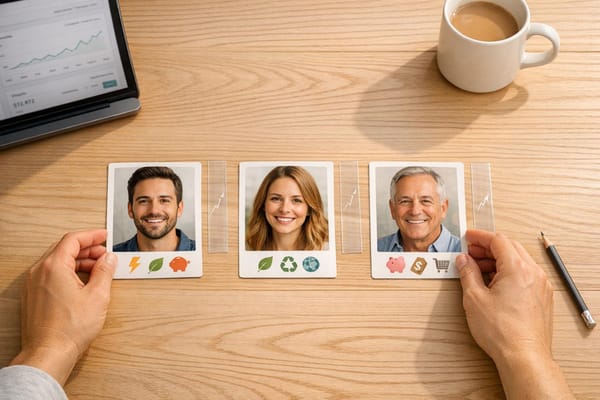
Ecommerce segmentation thrives on four main approaches: demographic, behavioral, psychographic, and geographic. Each method provides unique insights into your customers. Demographic segmentation focuses on measurable traits like age and income to define who your customers are. Behavioral segmentation tracks what they do - such as browsing habits and purchase patterns. Psychographic segmentation dives into why they buy, exploring values and lifestyle choices. Finally, geographic segmentation pinpoints where they are, factoring in location, climate, and even local customs.
These methods work together to build a complete picture of your audience. For instance, a 30-year-old earning $75,000 annually might also prioritize sustainability - a combination that transforms how you approach marketing. This layered strategy avoids oversimplification, recognizing that two people in the same demographic group can have vastly different shopping motivations.
The results speak for themselves. Segmented email campaigns can boost revenue by up to 760%. Imagine knowing a customer in Minneapolis abandoned a cart with winter boots after previously purchasing eco-friendly outdoor gear. This detailed insight allows for timely, personalized outreach - something generic campaigns can’t achieve.
Each segmentation type serves a distinct purpose, but together they create a coordinated strategy. For example, temperature shifts account for 20% of purchasing changes in categories like health and beauty. Knowing when and how to apply these methods turns scattered marketing efforts into precise, effective campaigns. Let’s break down each type to see how they drive better results.
Demographic Segmentation: Age, Income, and Location
Demographic segmentation divides your audience based on traits like age, gender, income, education, occupation, and family structure. This approach helps tailor your products and marketing to match life stages and spending power. For instance, a luxury skincare brand might target professionals aged 35–50 with incomes above $100,000, while a budget-friendly fashion retailer could focus on college students aged 18–24.
These data points also guide pricing strategies and communication channels. Younger audiences often engage with social media ads and mobile-first experiences, while older groups might prefer email newsletters and desktop browsing. Income levels influence not only what customers can afford but also their expectations for shipping speed, packaging, and customer service.
Demographic insights are particularly valuable for nurturing repeat customers, who spend about 67% more than new ones. By segmenting based on life stages - like new parents, recent graduates, or retirees - you can anticipate needs before customers even start shopping. For example, a furniture retailer could market registry promotions to newly engaged couples and later pitch home organization solutions as they settle into married life. Similarly, a grocery delivery service might promote baby products to households with young children.
In short, demographic segmentation identifies who your customers are, setting the stage for behavioral insights that reveal what they do.
Behavioral Segmentation: Actions and Purchase History
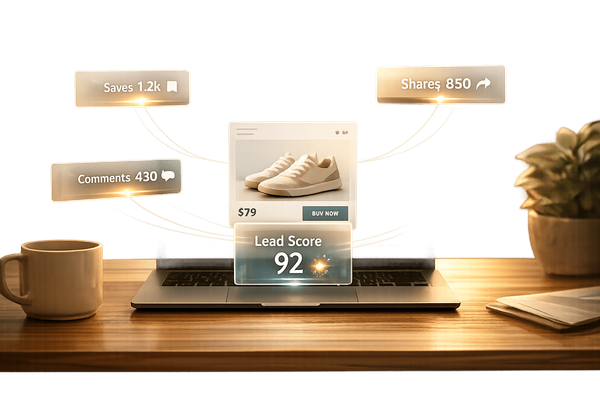
Behavioral segmentation focuses on customer actions - tracking browsing habits, purchase frequency, cart abandonment, product views, and email engagement. This data helps predict future behavior, making it one of the most effective tools in ecommerce. With cart abandonment rates averaging 77.13%, understanding these patterns is crucial for recovery campaigns.
A practical tool for this is RFM analysis, which scores customers based on three factors: how recently they purchased, how often they buy, and how much they spend. For example, a customer who made three purchases totaling $500 in the past month is a higher priority than someone who spent $50 six months ago. This scoring system also identifies high-value customers at risk of disengaging, allowing for timely re-engagement.
Behavioral data uncovers useful patterns. For instance, customers repeatedly browsing a specific category without buying may respond to a targeted discount. Similarly, frequent email openers who rarely click might need a creative tweak in messaging. Segmenting customers by lifecycle stages - such as new subscribers, first-time buyers, or loyal repeat customers - ensures your outreach is timely and relevant. Even a small 5% increase in customer retention can boost profits by 25% to 95%.
Behavioral segmentation doesn’t just track what customers do - it turns those actions into actionable insights that drive revenue.
Psychographic Segmentation: Values and Lifestyle
Psychographic segmentation delves into why customers make certain choices, examining values, interests, lifestyle preferences, and personality traits. While demographics might tell you that a customer is a 35-year-old woman, psychographics reveal she’s passionate about sustainability, practices yoga, and prefers cruelty-free products. This deeper understanding allows brands to align messaging with customer motivations.
Values-based shopping is gaining traction, with 63% of consumers preferring brands that reflect their personal beliefs. For instance, an ecommerce beauty brand could target vegan customers by promoting cruelty-free makeup. Similarly, an outdoor retailer might appeal to adventure-seekers with camping gear while offering home comfort products to those who prioritize relaxation.
Lifestyle segmentation refines these insights by considering how customers spend their time and money outside your store. Fitness enthusiasts, busy professionals, and hobbyists each have unique needs and respond to different marketing strategies. By addressing these nuances, you can deliver messaging that feels personal and relevant.
Geographic Segmentation: Location-Based Targeting
Geographic segmentation focuses on location, climate, language, and local customs. This method is particularly effective for region-specific campaigns that account for seasonality and local preferences. For example, a retailer might promote snow boots to Minneapolis customers in November, while a swimwear brand targets Miami residents year-round.
Geographic data also enables automated campaigns. If temperatures drop below 40°F in a specific area, you can instantly promote winter coats and heating accessories. During heat waves, campaigns can shift to cooling products and summer apparel. This real-time adaptability ensures your marketing stays relevant.
Localized campaigns can also tap into cultural nuances. For example, tailored messaging in New York City and Los Angeles demonstrated how urban-specific language improved campaign engagement. Urban customers might prioritize fast delivery and trendy products, while rural audiences may value practicality and bulk ordering. Even small details, like using "zip code" instead of "postal code", can build trust and improve resonance.
Geographic segmentation ensures your marketing aligns with where your customers are - and what they need in their specific environment.
How to Build a Segmentation Strategy
A solid segmentation strategy starts with a clear plan. It's not just about collecting data but understanding the purpose behind it and how it will drive your decisions. Successful segmentation boils down to three essential steps: setting measurable goals, gathering meaningful data, and consistently testing your methods. Without a clear roadmap, even the best intentions can fall flat.
Why does this matter? Poor targeting leads to wasted resources - up to 37% of marketing budgets miss the mark due to ineffective segmentation. But when done well, segmentation can yield impressive results. Companies that embrace customer segmentation often see a 10–15% boost in revenue. The secret lies in starting with intention and avoiding the temptation to dive straight into data collection without a plan.
Define Your Business Goals and Objectives
Start by clarifying what you want to achieve. Replace vague aspirations with specific targets, like "increase repeat purchases by 20% in Q1". This clarity helps pinpoint which customer segments are most relevant and how to evaluate success.
Your goals should tie back to your broader business strategy. For instance, if you're aiming to acquire new customers, demographic and geographic data can highlight untapped audiences that resemble your best buyers. On the other hand, retention-focused strategies might prioritize metrics like customer lifetime value (CLV) or repeat purchase rates. Retention is especially powerful - boosting it by just 5% can increase profits by 25% to 95%.
To make the most of your budget, target high-value segments first. For example, focus on "VIP customers" or "likely-to-lapse" high spenders. A helpful framework is to group customers into lifecycle stages like "New", "Promising", "Loyalist", or "Churn Risk." Each stage benefits from tailored approaches: new customers may need onboarding and education, while loyal customers might appreciate exclusive perks like early access instead of discounts.
Once your goals are clear, it’s time to gather the data that will drive these strategies.
Identify and Collect Relevant Data
Data collection is key, and it typically falls into three categories: zero-party data (voluntarily shared by customers via quizzes or surveys), first-party data (behavioral insights from your website or emails), and third-party data (external sources like market research). Each type plays a role in creating a well-rounded customer profile.
Start with first-party data since it's both reliable and readily available. This includes purchase history, browsing behavior (like session duration or product views), email engagement, cart abandonment patterns, and customer service interactions. For example, in 2024, seafood retailer Svenfish used purchase frequency and proximity to their locations to segment customers. By creating real-time lists of buyers interested in specific daily catches, they attributed 70% of their ecommerce revenue to segmentation.
Centralize all this data in one place, like a CRM or Customer Data Platform, to avoid fragmented insights that can derail campaigns. Data quality is critical - poor data leads to ineffective segmentation.
Focus on actionable insights. For example, luxury tea brand Harney & Sons used RFM analysis (Recency, Frequency, Monetary value) in 2024 to refine outreach. By targeting "At-risk" and "Needs attention" segments, they achieved an average order value 21% higher than their overall ecommerce average. Behavioral triggers like tracking "wishlist browsers" or "high-intent visitors" who linger on pricing pages can also reveal valuable intent signals.
Test, Refine, and Scale Your Segments
Once your goals are set and data collected, start small. Test your segments on a limited scale before rolling them out broadly. Use A/B testing to compare different approaches - for instance, demographic criteria versus behavioral patterns - and see which delivers better results like higher conversion or click-through rates.
Dynamic segmentation is a game-changer. Unlike static lists, dynamic segments update automatically based on customer behavior. For example, after a purchase, a customer can move from a "prospect" group to a "new customer" segment, ensuring your messaging stays relevant as their behavior evolves. Track how customers shift between segments over time - such as moving from "new" to "loyal" or "at-risk" to engaged - to measure the effectiveness of your strategies.
Keep it simple to start. Focus on 4–7 main segments that align with your business objectives before diving into micro-segmentation. To ensure reliable data, each segment should ideally include at least 100–200 customers.
Real-world examples show the impact of thoughtful segmentation. In 2024, luggage brand July used geographic segmentation to target customers near their retail stores in cities like Melbourne, Sydney, and Brisbane. This localized strategy drove a 52% year-over-year growth in revenue.
Don’t forget to maintain your data. Regularly audit customer profiles to ensure accuracy - verify that "recent purchasers" actually bought recently and that "high-value customers" meet their spending criteria. Clean your database periodically to remove inactive subscribers or correct errors, as bad data can undermine even the best efforts.
Finally, refresh your segments after major campaigns like Black Friday. For example, move one-time holiday shoppers into nurturing or win-back groups to keep them engaged beyond the season.
Tools and Technologies for Audience Segmentation
Relying on manual spreadsheet segmentation becomes impractical as your business expands. The real challenge lies in finding tools that deliver what they promise. Modern segmentation tools simplify the process by centralizing data, updating segments in real time, and syncing audiences across channels. These tools don’t just organize your audience - they help you engage with them efficiently.
Here’s the reality: 63% of marketers struggle to send the right message to the right audience. Often, this is because their tools can’t keep up with changing customer behavior or fail to integrate seamlessly with existing systems. The best segmentation platforms solve these problems by combining data unification, automation, and direct activation into one streamlined workflow.
Key Features to Look for in Segmentation Tools
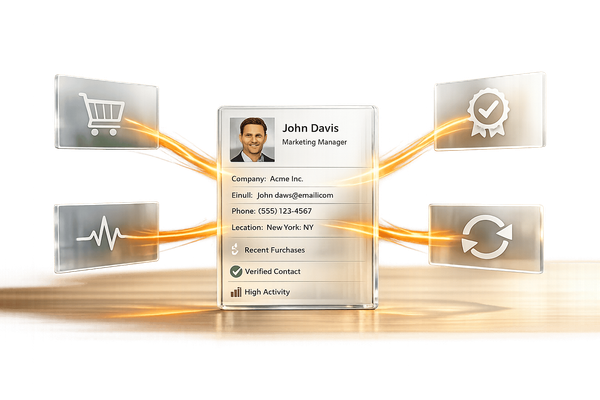
Data unification is the backbone of effective segmentation. Your tool should consolidate data from fragmented sources - like your ecommerce platform (e.g., Shopify), CRM systems, ad platforms such as Meta and Google, and support tools like Zendesk - into a single, unified customer profile. Without this integration, you risk missing critical behavioral signals and creating incomplete customer segments.
Real-time dynamic updates are what set modern tools apart from outdated systems. Static segments that require manual updates lead to wasted ad spend and irrelevant messaging. Look for tools that automatically refresh customer segments as behaviors change.
Direct activation and syncing eliminate the hassle of exporting and importing CSV files. The right tools will push updated segments directly to platforms like Klaviyo, Meta, and Google Ads, ensuring smooth integration with your marketing channels.
Predictive analytics, powered by AI, take segmentation to the next level by moving beyond historical data. These platforms can predict future actions, such as churn risk, conversion likelihood within a specific timeframe, or projected lifetime value (LTV). This allows you to act preemptively, addressing potential issues before they arise.
Visitor identification capabilities help you segment anonymous traffic that shows high buying intent. By resolving visitor identities, these tools can target high-intent users who haven’t yet made a purchase.
How StoreCensus Supports Market Intelligence
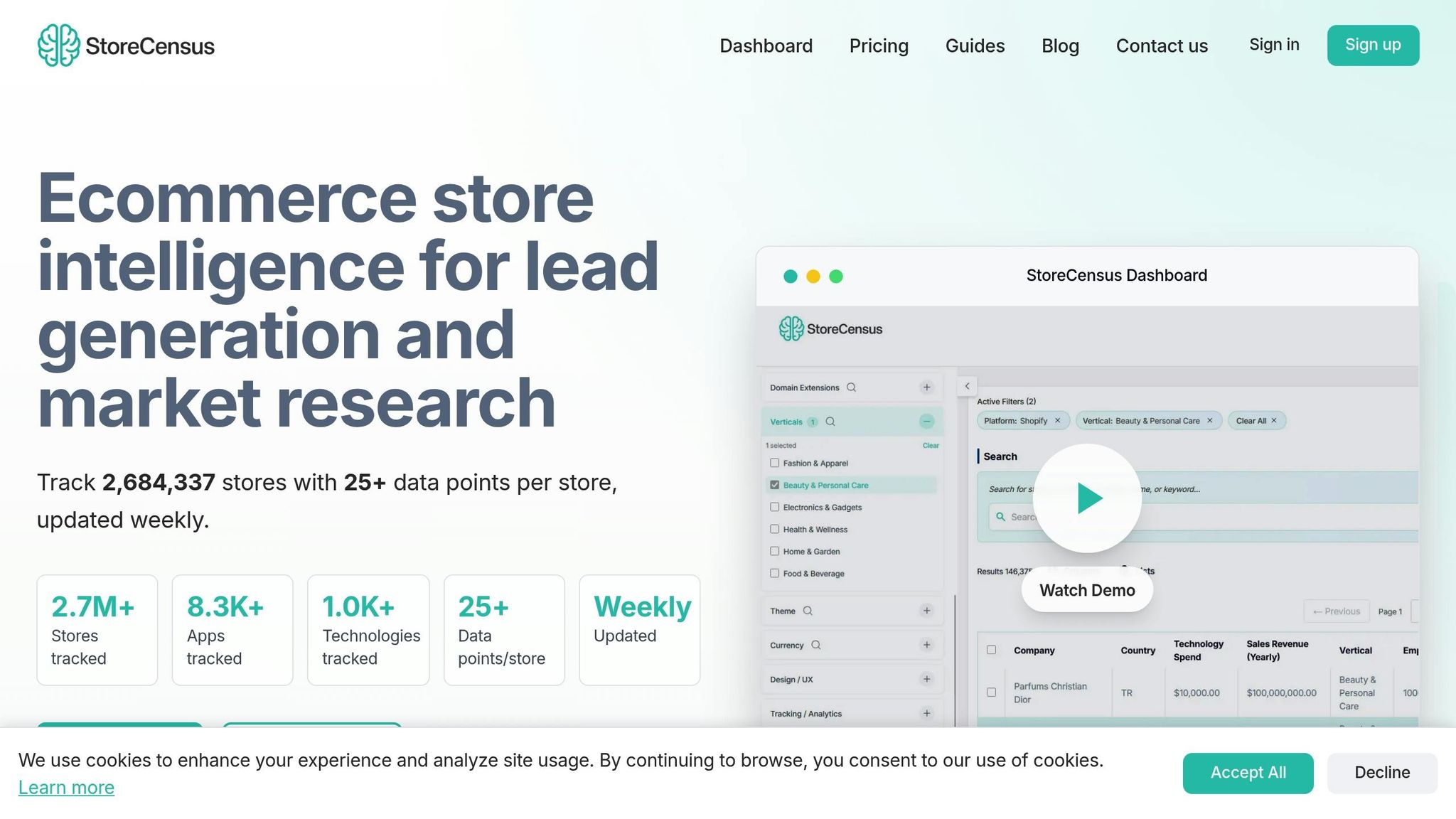
Segmentation isn’t just about understanding your current customers - it’s also about identifying new opportunities. For ecommerce-focused businesses, StoreCensus offers a unique solution by providing tailored intelligence for B2B lead generation and market research.
Unlike most segmentation tools that focus solely on existing customers, StoreCensus helps you pinpoint and prioritize ecommerce businesses. Whether you’re a SaaS founder, Shopify app developer, agency, or service provider targeting online stores, StoreCensus delivers the insights you need to scale efficiently.
The platform tracks over 2.5 million ecommerce stores, offering 25+ data points per store that are updated weekly, ensuring a 99.2% data accuracy rate. Beyond basic company details, StoreCensus provides technographic insights, including installed apps (tracking over 8,300 apps), themes, technologies (tracking more than 1,000), estimated revenue, geographic location, social media activity, traffic metrics, team size, and product catalog size.
Advanced filtering allows you to create precise segments. For instance, you can identify Shopify stores in the U.S. with annual revenue between $500,000 and $1 million, a team size of 10–50 employees, and active social media profiles. This level of targeting enables you to replace generic outreach with highly focused campaigns aimed at your ideal customer profile.
Automation workflows turn these segments into round-the-clock sales engines. StoreCensus monitors real-time changes - like app installs or removals, design updates, and other business activities - and triggers automated actions when your target criteria are met. For example, you can automatically send a personalized email the moment a store uninstalls an app, reaching them at a critical decision-making moment.
The platform integrates with outbound tools like Apollo and Instantly.ai to provide contact details for decision-makers (including emails and LinkedIn profiles). It also connects with CRMs via Zapier, allowing you to push qualified leads directly into your sales pipeline. For teams needing custom workflows, API access enables seamless data enrichment and integration.
For market research and competitive analysis, StoreCensus offers historical snapshots to track trends like category growth, technology adoption, and market share changes over time. These insights help you validate new markets, identify opportunities, and monitor competitors in the ecommerce space.
StoreCensus provides scalable plans to meet different needs, ranging from free trials to professional tiers that include decision-maker contact information and API access. This makes it a versatile tool for systematic ecommerce prospecting and market intelligence.
Measuring the Success of Your Segmentation Strategy
Once you've established your segmentation strategy, the next step is to measure its performance. This not only validates your efforts but also helps fine-tune your approach for better results.
Creating segments is just the beginning. The real challenge lies in tracking the right metrics to ensure you're maximizing the potential of high-performing groups. Without proper measurement, you risk wasting resources on underperforming segments while missing out on what truly works.
The benefits of effective segmentation are clear. For example, segmented email lists generate over three times the revenue per recipient compared to unsegmented ones - $0.19 versus $0.06. Open rates are significantly higher (16.17% compared to 9.95%), and unsubscribe rates drop dramatically.
Key Metrics for Segmentation Performance
To gauge the effectiveness of your segmentation, monitor these key performance indicators:
Conversion Rates
This metric shows whether your messaging aligns with the intent of each segment. For instance, if one segment has a conversion rate notably higher than the average (around 3%), it’s a sign that your targeting is resonating with that group.
Engagement Metrics
Metrics like click-through rates (CTR) and open rates indicate how well your content connects with your audience. Segmented campaigns typically achieve 50% higher CTRs than non-segmented ones. If engagement is low in a particular segment, it may be time to adjust your messaging.
Value Metrics
These metrics, such as Average Order Value (AOV) and Revenue Per Recipient (RPR), highlight your most profitable segments. For example, Harney & Sons used RFM (Recency, Frequency, Monetary) analysis to tailor their email strategy for specific customer groups, achieving an AOV 21% higher than their overall ecommerce average in 2024.
Retention Metrics
Retention-focused metrics like Customer Retention Rate (CRR), Repeat Purchase Rate, and Churn Rate help you monitor long-term segment health. Identifying at-risk customers through segmentation can significantly reduce churn. Even a 5% increase in retention can drive profits up by 25% to 95%.
Efficiency Metrics
Metrics like Return on Ad Spend (ROAS) and Customer Acquisition Cost (CAC) per segment reveal which groups deliver the best returns. For instance, one ecommerce brand tripled its ROAS by segmenting users based on specific behaviors.
Behavioral Indicators
Tracking metrics like Cart Abandonment Rates and Add-to-Cart Rates can help you identify friction points in the shopping process. If a particular segment has a consistently high abandonment rate, it’s worth investigating and optimizing their experience.
| Metric Category | Key Indicator | What It Reveals |
|---|---|---|
| Financial Impact | Return on Ad Spend (ROAS) | Which audience segments are most profitable |
| Engagement | Click-Through Rate (CTR) | How well messaging resonates |
| Long-Term Value | Customer Lifetime Value (CLV) | If segments are fostering loyalty |
| Efficiency | Cost Per Acquisition (CPA) | Which segments convert most cost-effectively |
| Retention | Churn/Inactivity Rate | Which segments need re-engagement |
Each of these metrics provides insights that can guide adjustments to sustain and improve your campaigns.
Using Insights to Improve Campaign Performance
Data is only useful if it drives action. Here’s how to apply what you learn from your metrics:
Resource Allocation
Shift your budget toward high-performing segments. For example, if a segment consistently achieves strong ROAS, it makes sense to invest more in that group.
Messaging Refinement
Tailor your messaging to the context of each segment. A great example is luggage brand July, which targeted customers near its retail stores in Melbourne, Sydney, and Brisbane with localized promotions. This approach led to a 52% year-over-year revenue increase attributed to their marketing automation platform.
A/B Testing
Experiment with different offers and messages. For instance, test early access offers for VIPs versus discounts for price-sensitive shoppers to see what drives better engagement.
Real-Time Adjustments
Keep a close eye on campaign metrics. If a segment's CTR suddenly drops, act immediately rather than waiting for the campaign to end. Automating alerts can help you pause underperforming segments and reallocate resources to those delivering results.
Exclusion Lists
Avoid targeting recent buyers in prospecting campaigns to save budget and prevent customer fatigue.
Lifecycle Triggers
Automate transitions between segments. For example, after a customer’s third purchase, move them from a "New Buyer" segment to a "Loyalty" segment and adjust your messaging accordingly.
Data Audits
Regularly clean your data to maintain accuracy. Remove inactive subscribers and update customer profiles to avoid undermining your campaigns with outdated information.
Perfecting your segmentation strategy takes time. While a well-executed approach can boost revenue by 10–15%, the key is continuous improvement. Review your metrics weekly, test new ideas monthly, and make decisions based on data - not assumptions. By aligning your adjustments with your original goals, you can maintain a cohesive and effective marketing strategy.
Conclusion
Audience segmentation plays a crucial role in driving profitable ecommerce. Research shows that segmented campaigns can increase revenue by up to 760%, and with 80% of customers expecting personalized experiences, it’s clear that generic approaches no longer cut it. On the flip side, failing to segment effectively can lead to wasting 37% of your marketing budget on audiences that simply don’t convert.
The shift from broad, one-size-fits-all marketing to precise, data-driven strategies isn’t just smart - it’s necessary. As Shalini Vijayakumar from CustomerLabs puts it:
"The only reliable edge left is how well you understand your own audience, your first-party data."
This means going beyond surface-level demographics. By incorporating behavioral and psychographic insights, you can uncover not only who your customers are but also why they buy and when they’re most likely to convert.
To get started, focus on identifying key customer groups - like cart abandoners, repeat buyers, and at-risk customers. Unify your data sources and aim to manage 5–7 core segments that align with specific business objectives. Even simple tools like RFM analysis can drive meaningful results, as seen with Harney & Sons, who achieved a 21% higher average order value using this approach.
Remember, segmentation isn’t a one-and-done task - it’s an ongoing process. Customer behavior evolves, market trends shift, and your strategies must adapt. Automate triggers to reassign customers to new segments as their actions change, review metrics weekly, and experiment with fresh messaging for each group. This continuous refinement is what separates top-performing businesses from the rest.
With these strategies, businesses can gain a competitive edge by truly understanding their customers and delivering the right message at the right time. By following the roadmap outlined in this guide, you’ll be well-equipped to build stronger customer relationships and achieve sustained success in ecommerce.
FAQs
How do I get started with audience segmentation for my ecommerce business?
To kick off audience segmentation for your ecommerce business, start by pinpointing your goals. Are you looking to boost sales, improve the customer experience, or target specific groups for a new product launch? Defining clear objectives will set the foundation for your strategy.
From there, dive into key segmentation criteria. These include demographics (like age, gender, and income), geographics (such as location or climate), psychographics (covering lifestyle and values), and behavioral data (including purchase history and website activity). You can gather this information using tools like customer surveys, analytics platforms, and sales records.
After analyzing the data, organize your audience into distinct segments and craft marketing messages that speak directly to their needs. This tailored approach can lead to better engagement, higher conversions, and happier customers overall.
What are the essential tools for successful ecommerce audience segmentation?
Successful ecommerce audience segmentation hinges on having the right tools to collect, analyze, and act on customer data. Customer data platforms play a key role by organizing essential details like demographics, purchase habits, and psychographics. This makes it easier to pinpoint and act on specific customer segments. Features like advanced filtering, real-time updates, and automation workflows can make the entire process smoother and more efficient.
On top of that, analytics software and marketing automation platforms are game-changers for understanding customer preferences and creating personalized campaigns. These tools let businesses spot trends, dynamically segment their audience, and deliver messaging that connects with different groups. When used together, they give marketers the tools they need to refine their targeting and achieve stronger results.
How can I evaluate if my audience segmentation strategy is working?
To determine how well your audience segmentation strategy is working, focus on tracking metrics that showcase better marketing results and stronger customer connections. Key indicators include conversion rates, sales, and customer retention within each segment. If these numbers are climbing, it’s a good sign that your tailored messaging is hitting the mark.
Don’t stop there - dig into campaign-specific metrics like email open rates, click-through rates, and return on ad spend (ROAS). These figures reveal how well your segmentation supports personalized communication. Keep an eye on customer lifetime value (CLV), repeat purchase rates, and churn reduction within your segments, as these are clear signs of a thriving strategy.
In the end, a solid segmentation approach should translate into smarter marketing investments, higher engagement, and greater revenue, aligning perfectly with your business goals.